
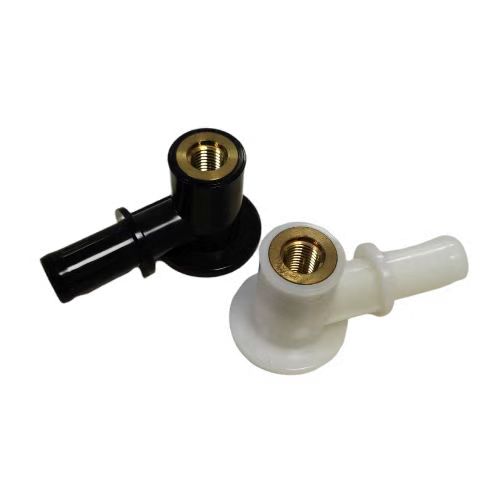
Prototype injection molds shorten the entire product development cycle and become the source of drive innovation. In the past, companies sometimes chose to postpone or abandon design updates for new products, given the large capital investment required to create new mold. By reducing mold preparation time and enabling existing design tools to be quickly updated, the Prototyp injection molding enables companies to withstand more frequent replacement and improvement of molds. It enables the mold design cycle to keep pace with the new product design cycle.
MORE>>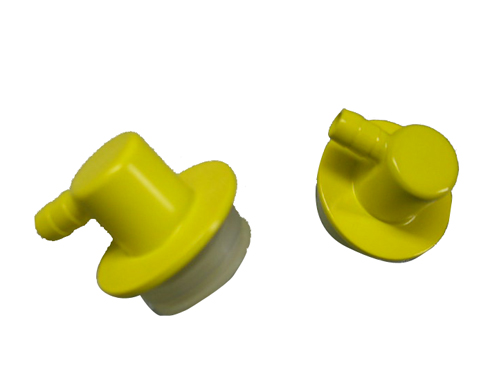
Subtractive manufacturing (computer numerical control, or CNC machining) Essentially involves subtracting or cutting from a block of material to create an end product. With many different forms (milling, turning, laser cutting, wire EDM, and carving) and Substractive manufacturing is used for a wide variety of prototyping, production and assembly line applications. Both technologies have their strengths and weaknesses when it comes to a product development and the manufacturing environment.
MORE>>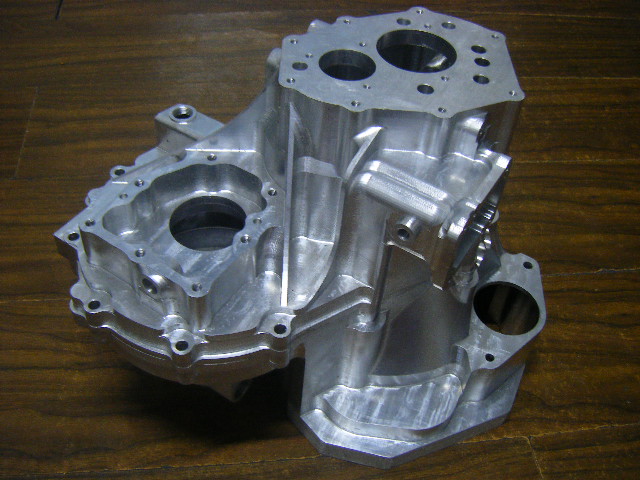
Subtractive manufacturing vs Additive manufacturing – How to select? Both technologies have their strengths and weaknesses when it comes to a product development and the manufacturing environment.
MORE>>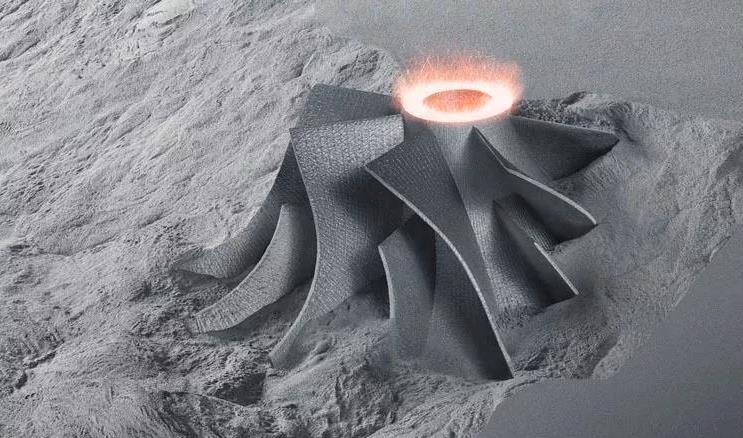
What's the difference between Selective Laser Sintering (SLS) and Selective Laser Melting (SLM)? In SLM,powdered material is full melted ,whereas in SLS the powder is heated below its melting point (sintering). When laser heats the powder material to below melting point, it forms solid by fusion.The working principle is almost same in both printing method.
MORE>>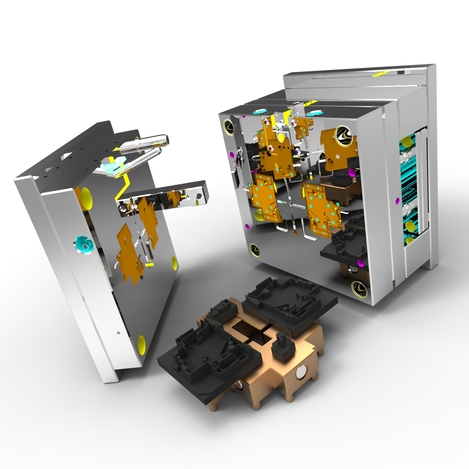
Where Americans use mold, British English writers would use mould. The words differ only in the language communities in which they are accepted. Mold is the preferred spelling in American English. Mould is preferred spelling in British English.
MORE>>
The designer typically works with a client to offer a number of potential designs, marketing professionals, and financial analysts to create a final product that is useful and cost-efficient. The work for a product designer is to design the overall look and aesthetic of a particular product. This can be anything from desk storage plastic baskets or a toothbrush container to bluetooth
MORE>>
The primary purpose of a mockup is to communicate the general concept of the final product or device and is not typically a working model. When the mockup is functional, it is usually considered a prototype.
MORE>>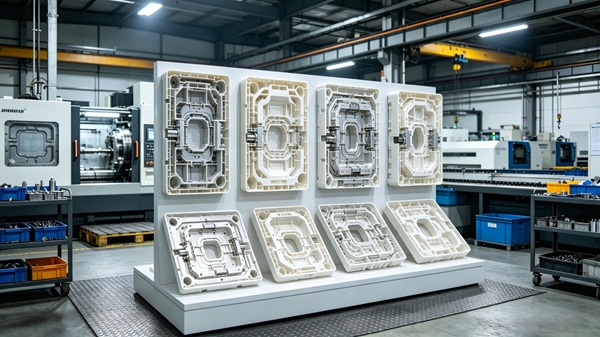
In the product R&D process, prototype manufacturing is a crucial link to verify design feasibility and avoid risks. In the early stage of R&D, 3D printing, CNC machining, or silicone molding are commonly used to process prototypes, which can quickly verify the appearance and basic structure of products, helping R&D teams iterate design schemes efficiently and shorten the initial trial-and-error cycle. However, when R&D enters the middle and late stages, the verification demand upgrades from "appearance and structure check" to "mass production simulation and comprehensive testing". At this time, traditional prototypes such as 3D printing can no longer meet the needs — especially for internal precision structural parts in automotive, aerospace, precision equipment and other high-end manufacturing fields, full experimental verification before mass production is extremely important to reduce design risks and R&D costs. For these high-precision parts, it is necessary to fully test the selection of injection materials, injection performance, part assembly, durability, strength, stability and other indicators before mass production. Only injection molded prototypes can achieve comprehensive, accurate R&D verification tests under the same conditions as mass production. this article focuses on injection molded prototypes, providing professional and practical content for R&D teams and procurement decision-makers, helping enterprises avoid R&D pitfalls, optimize design schemes, and make new product R&D more efficient and secure.
MORE>>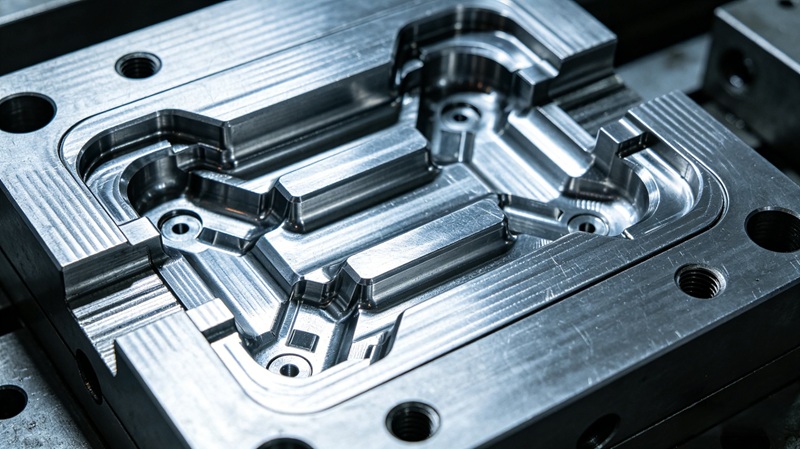
In the critical stage of product R&D, the quality of injection molded prototypes directly determines the success or failure of subsequent mass production, and the choice of mold material—steel or aluminum—is even more crucial. Many enterprises face a dilemma when customizing injection molded prototypes: both steel and aluminum molds have their own advantages and disadvantages, so how to make the right choice? In fact, the answer is simple: there is no absolute "better" option, only one that is more suitable for your specific needs. Today, we will analyze the core differences between the two from a professional perspective to help you quickly find the optimal mold solution for your injection molded prototypes. As the "prototype verifier" in the early stages of product R&D, the core value of injection molded prototypes is to accurately replicate product designs, verify structural rationality, and lay the groundwork for subsequent mass production. The characteristics of the mold material directly determine the precision, service life, and subsequent adjustability of the prototypes. As the two mainstream choices for manufacturing injection molded prototypes, steel and aluminum molds exhibit performance differences rooted in their inherent material properties, each suited to distinct application scenarios.
MORE>>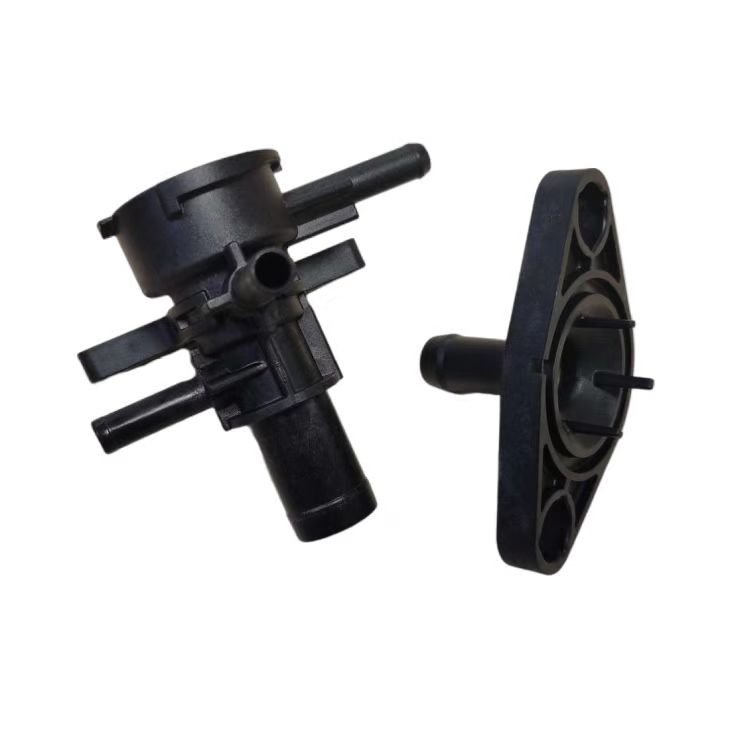
When it comes to prototyping a new product, selecting the right method is crucial for testing design, functionality, and manufacturability before full-scale production. As a manufacturer specializing in prototype injection molds, rapid molds, and small-batch production, we understand that choosing the best prototyping approach depends on several factors, including design complexity, material requirements, budget, and timeline. Let’s explore three common prototyping methods: machined parts, 3D printed parts, and fabricated prototype molds.
MORE>>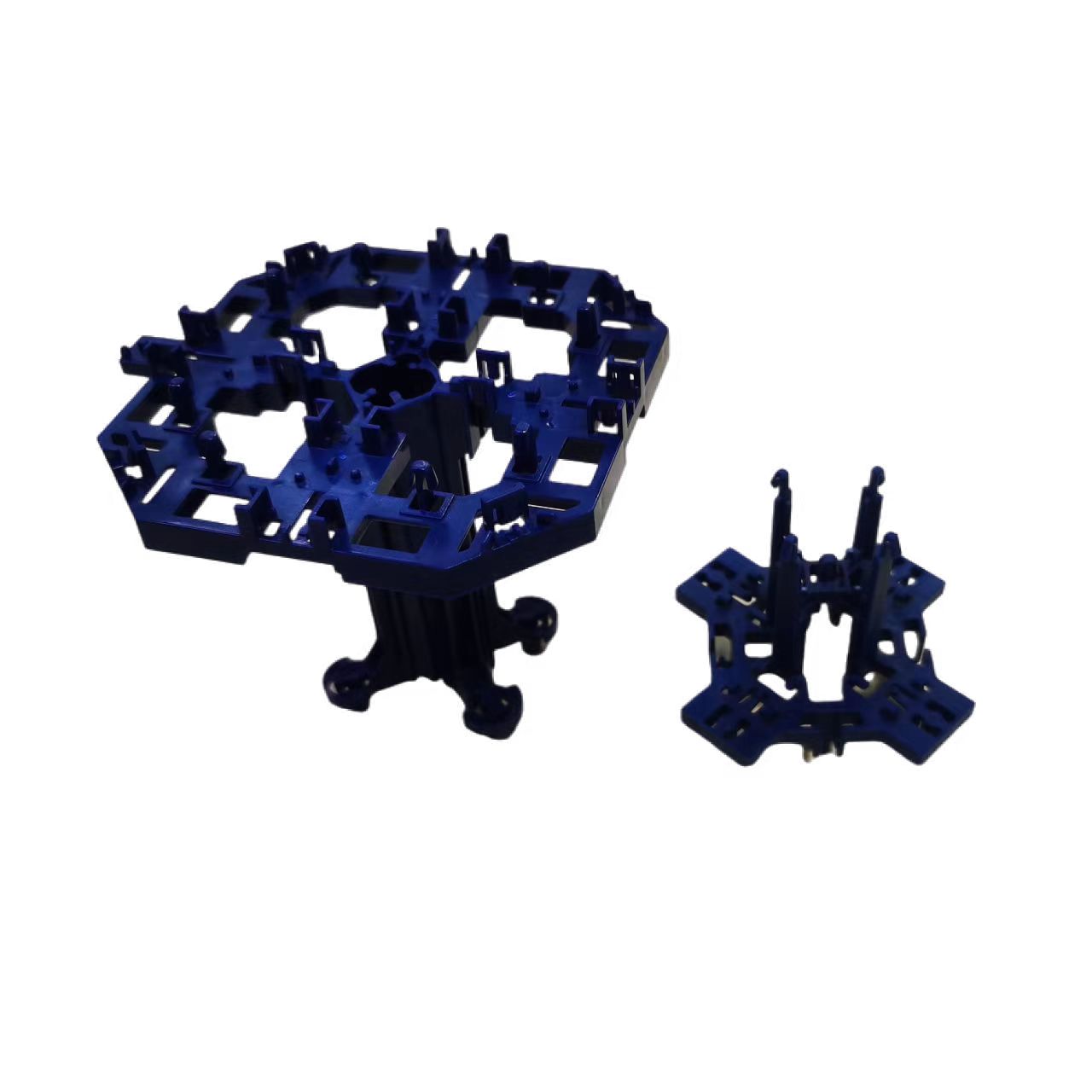
Prototype injection molding is an essential tool for testing the functionality and performance of new product designs before committing to full-scale production. This method allows manufacturers to create functional prototypes quickly and cost-effectively, making it ideal for testing critical features, material properties, and design integrity.
MORE>>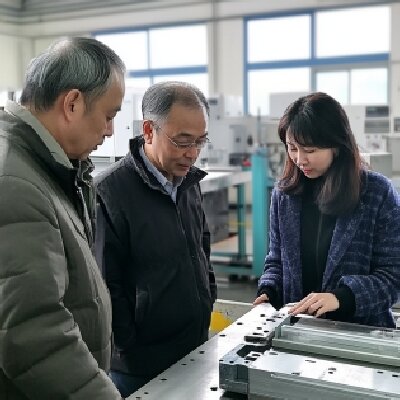
For start-ups bringing new products to market, managing costs without compromising Quality is crucial. Prototype injection molding offers an ideal solution, enabling start-ups to test and refine their designs efficiently while minimizing expenses.
MORE>>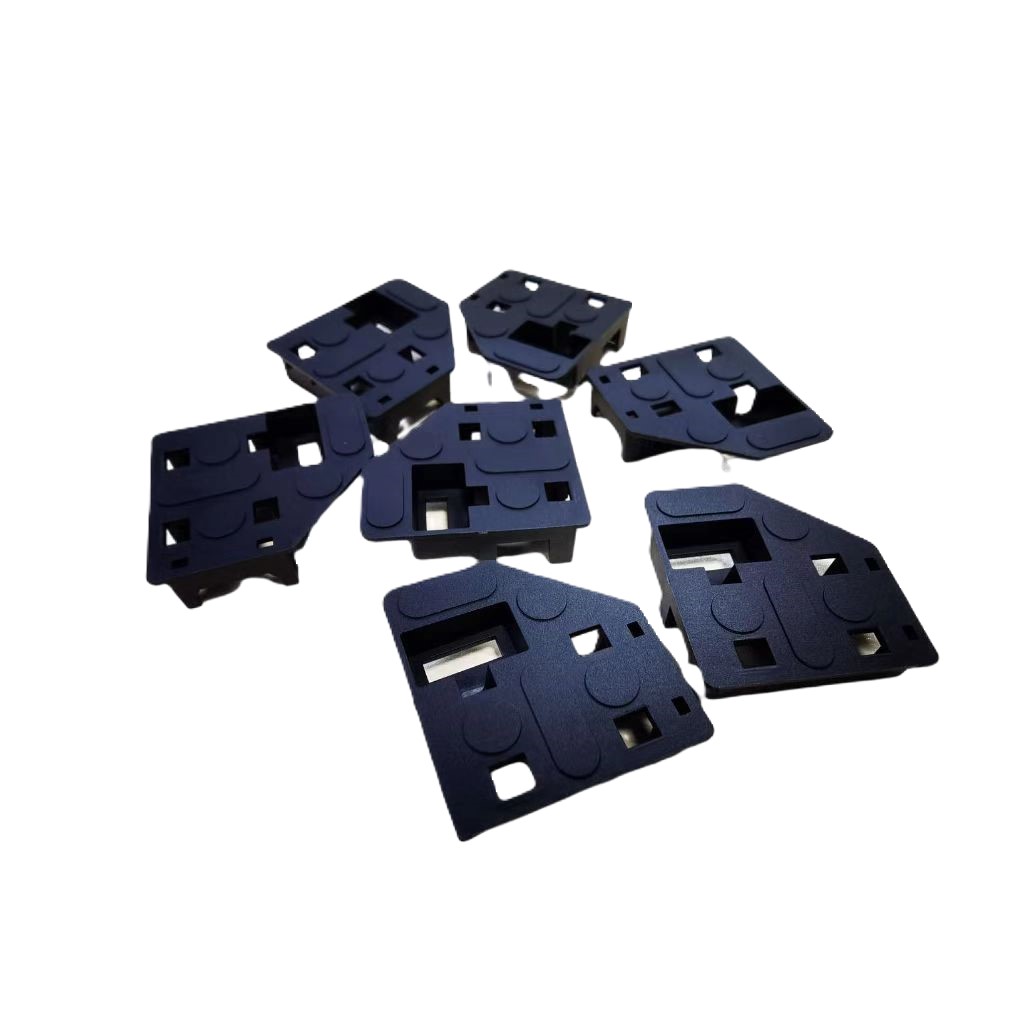
There are many processing methods for prototypes, such as CNC machining, 3D printing, Vacuum forming, Prototype Injection molding, etc. What kind of prototype processing method is more suitable? How do customers choose the type of prototype? This is the problem that customers need to face when developing testing and proofing.
MORE>>
3D printing technology is getting more and more mature, not only plastic parts but also metal parts can be made. Can 3D printing replace injection molding? The short answer is "no".
MORE>>
Prototype injection molding is a crucial phase in product development, allowing designers and engineers to transform concepts into tangible items. However, mistakes during this process can lead to delays, increased costs, and product failures. Understanding these common pitfalls can help teams avoid setbacks and streamline production. Here are five common mistakes in prototype injection molding and strategies to avoid them.
MORE>>
Prototype injection molds are a game-changer in product development, allowing companies to streamline processes and reduce time-to-market. By utilizing these molds, businesses can create functional prototypes quickly, testing designs before committing to full-scale production. Here, we delve into notable case studies illustrating how prototype injection molds have accelerated product development across various industries.
MORE>>
What is a rapid prototyping mold? Quick molds, refer to molds used for rapid prototyping and small batch production. Unlike traditional production molds, rapid molds emphasize fast production, fast iteration, and low cost. It is usually made of easily processed materials such as aluminum alloy and resin, which not only have fast processing speed but also low cost, greatly shortening the mold manufacturing cycle.
MORE>>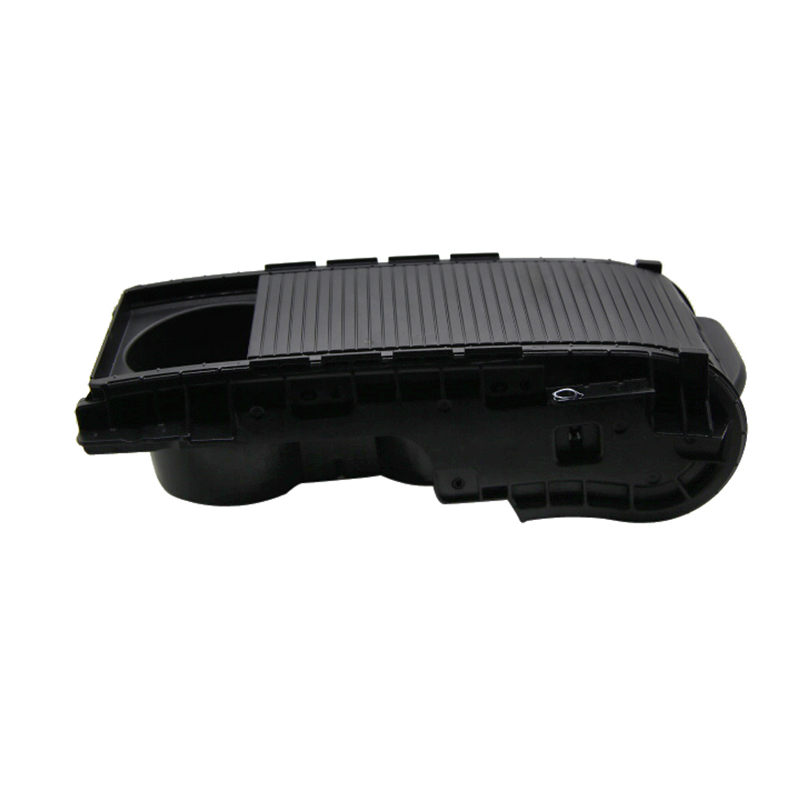
Prototyping plays a vital role in the development of a new product, By creating and testing multiple iterations of a prototypes, engineers and designers can refine and optimize the design until it meets all the required specifications. Prototyping is used in the medical industry to: • Refine and optimize device design • Evaluate device functionality, usability, and safety • Facilitate communication and collaboration between stakeholders • Identify design flaws or issues early on
MORE>>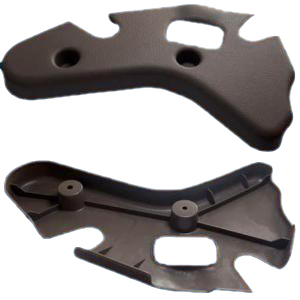
The production mold is designed for high-volume manufacturing and made from hardened steel. The production tool always has automated slides for side action and multiple cavities. the prototype mold is fabricated in aluminum or soft steel for short-run manufacturing or concept validation, has hand-loaded core pins, hand-loaded slides and typically single cavity.
MORE>>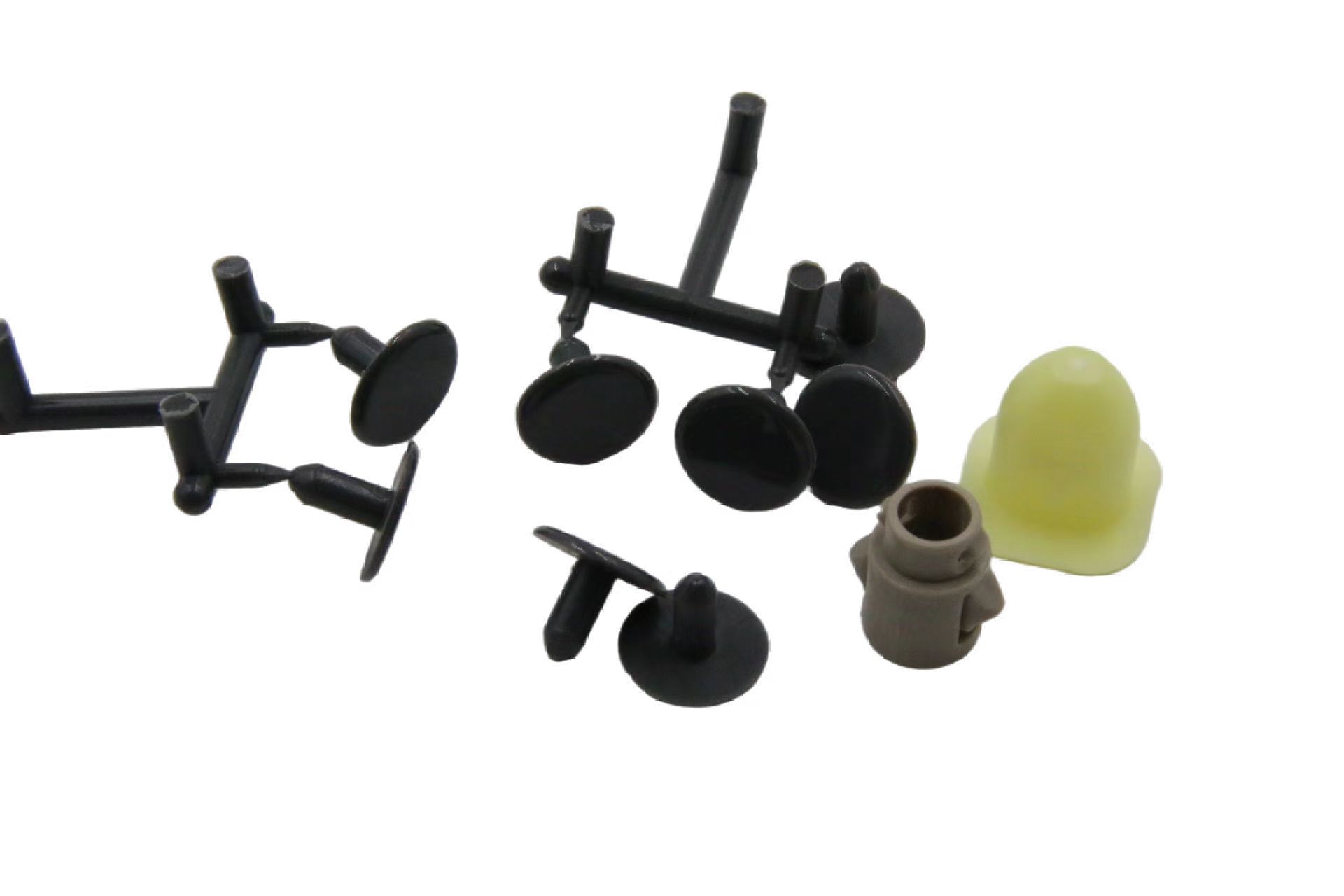
There are many rapid prototyping production methods to choose from, each with benefits and limitations, including: 1. 3D Printing Includes Stereolithography (SLA), Fused Deposition Modeling (FDM), Selective Laser Melting (SLM), Selective Laser Sintering (SLS), Digital Light Processing (DLP) 2. CNC Machining 3. Vacuum casting 4. Rapid molding or prototype injection molding. You can choose the most suitable methods to make the prototypes base on your use and purpose.
MORE>>