Steel Mold or Aluminum Mold: Which to Choose for Injection Molded Prototypes?
2026-04-23
In the critical stage of product R&D, the quality of injection molded prototypes directly determines the success or failure of subsequent mass production, and the choice of mold material—steel or aluminum—is even more crucial. Many enterprises face a dilemma when customizing injection molded prototypes: both steel and aluminum molds have their own advantages and disadvantages, so how to make the right choice? In fact, the answer is simple: there is no absolute "better" option, only one that is more suitable for your specific needs. Today, we will analyze the core differences between the two from a professional perspective to help you quickly find the optimal mold solution for your injection molded prototypes.
As the "prototype verifier" in the early stages of product R&D, the core value of injection molded prototypes is to accurately replicate product designs, verify structural rationality, and lay the groundwork for subsequent mass production. The characteristics of the mold material directly determine the precision, service life, and subsequent adjustability of the prototypes. As the two mainstream choices for manufacturing injection molded prototypes, steel and aluminum molds exhibit performance differences rooted in their inherent material properties, each suited to distinct application scenarios.
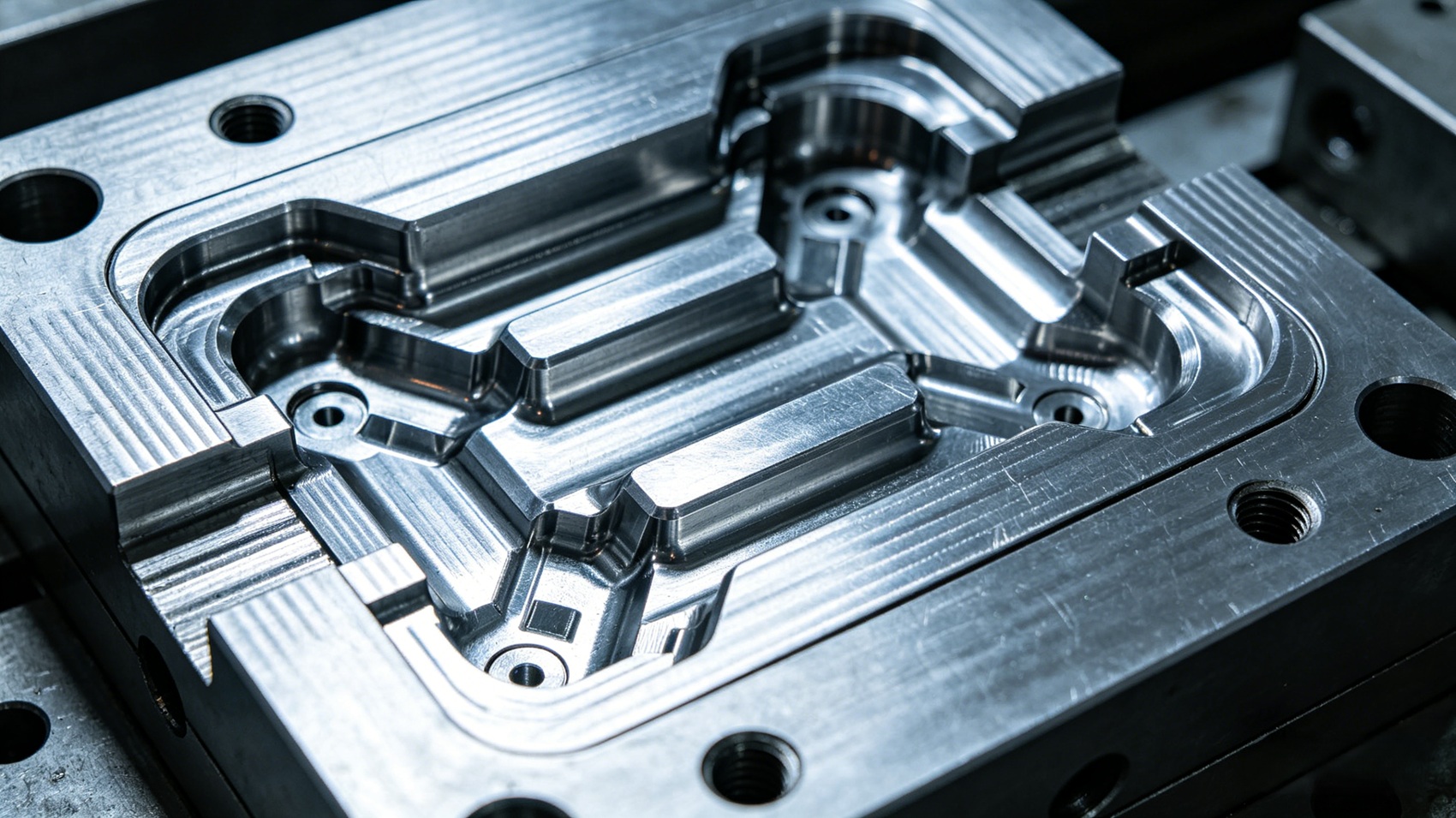
First, let’s discuss steel molds, widely recognized as the "powerhouse" in injection prototype molding. Leveraging the high strength and stability of their material, injection molded prototypes produced with steel molds offer an absolute advantage in quality and precision—with dimensional tolerances precisely controlled within ±0.01-0.1mm and surface roughness as low as Ra≤0.2μm. They can perfectly replicate the intricate structures and complex curved surfaces of products. Even for prototypes with extremely high precision requirements, such as precision electronic components and core automotive parts, steel molds can easily meet the demand.
What’s more notable is the flexibility and durability of steel molds. Repeated design adjustments are inevitable during the product R&D phase, and the ease of modifying steel molds is a significant advantage. Whether adjusting cavity dimensions, optimizing runner design, or refining detailed structures, these modifications can be completed efficiently without compromising the mold’s overall performance, greatly shortening the prototype iteration cycle. Additionally, the steel mold features high hardness and excellent wear resistance. For instance, in the automotive industry, injection molded prototypes like new energy vehicle charging pile housings and engine block prototypes are all manufactured using steel molds. These molds not only accurately replicate the product’s complex structure and dimensional precision but also withstand multiple trial production injections, meeting the repeated verification needs of the R&D stage. In the precision electronics industry, high-precision injection molded prototypes such as mobile phone middle frames and camera brackets rely on the stability of steel molds to achieve precise control of minute dimensions, preventing mold deformation from affecting product assembly precision. Steel molds boast an extremely long service life, capable of withstanding tens of thousands or even hundreds of thousands of injection cycles. Even after long-term use, they maintain stable precision, making them ideal for projects requiring multiple trial productions and long-term verification. In the long run, they effectively reduce the cost of repeated mold openings.
Of course, the advantages of steel molds come with a certain cost investment—they are more expensive than aluminum molds. This is primarily because steel molds have higher material costs and more complex processing requirements, necessitating specialized equipment for high-precision machining and a relatively longer processing cycle. However, this investment is offset by the stability of prototype quality and the long-term cost-effectiveness. For enterprises that prioritize prototype precision and long-term verification value, steel molds are undoubtedly the more reliable choice.
Next, let’s turn to aluminum molds, the "cost-effective choice" for injection prototype molds. Their core advantages lie in low initial investment and high processing efficiency. Aluminum molds are relatively soft, allowing CNC machine tools to process them 20%-40% faster than steel molds with less tool wear, enabling rapid mold production. They are well-suited for projects with limited budgets and a focus on fast prototyping, such as initial simple structural verification and small-batch trial production. Aluminum molds help enterprises accelerate R&D progress and control initial R&D costs.
However, aluminum molds have obvious shortcomings, which are the primary reason many enterprises avoid them. With a surface hardness of only 15-20HRC, aluminum molds are relatively soft and easily damaged by injection pressure during production, leading to issues such as cavity wear, deformation, and even burrs or other defects that compromise the precision of injection molded prototypes. More importantly, once an aluminum mold is damaged, it is extremely difficult to repair—often requiring a complete mold rework, which ultimately increases additional costs. Additionally, modifying aluminum molds is relatively challenging; design adjustments often require extensive mold modifications, and precise adjustments may even be impossible, hindering product iterative optimization. Furthermore, aluminum molds have a short service life, only capable of withstanding thousands to ten thousand of injection cycles, making them unsuitable for long-term repeated trial production or projects with high precision requirements.
By now, you likely have a preliminary understanding of how to choose between steel and aluminum molds: if your injection molded prototypes require high precision, repeated modifications and iterations, long-term trial production verification, and you have a sufficient budget, steel molds are undoubtedly the best choice. They will safeguard subsequent mass production with stable quality and a long service life. If your prototypes are only for initial simple structural verification, have a limited budget, and prioritize fast prototyping without complex modifications or long-term use, aluminum molds can serve as a transitional option to help you control initial costs and speed up R&D progress.
In essence, choosing an injection prototype mold is a balance of "precision, cost, and efficiency". Steel molds prioritize "quality and long-term performance", while aluminum molds focus on "cost and speed". There is no absolute distinction between superior and inferior options—only whether the mold aligns with your project’s specific needs.
In the actual selection process, in addition to understanding the core differences between the two, you should also make a comprehensive judgment based on your product’s R&D stage, precision requirements, budget constraints, and trial production needs. After all, high-quality injection molded prototypes require not only suitable mold materials but also professional processing technology. Only by selecting the right mold and ensuring high-quality processing can injection molded prototypes truly fulfill their role as prototype verifiers, lay a solid foundation for product mass production, and avoid R&D delays and cost waste caused by improper mold selection.
Trusted Injection-Molded Prototypes Specialist - HWTC
Email:marketing@moldedprototypes.com
WhatsApp: +86-13602559551