
In the product R&D process, prototype manufacturing is a crucial link to verify design feasibility and avoid risks. In the early stage of R&D, 3D printing, CNC machining, or silicone molding are commonly used to process prototypes, which can quickly verify the appearance and basic structure of products, helping R&D teams iterate design schemes efficiently and shorten the initial trial-and-error cycle.
However, when R&D enters the middle and late stages, the verification demand upgrades from "appearance and structure check" to "mass production simulation and comprehensive testing". At this time, traditional prototypes such as 3D printing can no longer meet the needs — especially for internal precision structural parts in automotive, aerospace, precision equipment and other high-end manufacturing fields, full experimental verification before mass production is extremely important to reduce design risks and R&D costs.
For these high-precision parts, it is necessary to fully test the selection of injection materials, injection performance, part assembly, durability, strength, stability and other indicators before mass production. Only injection molded prototypes can achieve comprehensive, accurate R&D verification tests under the same conditions as mass production.
Below are the core scenarios where injection molded prototypes are indispensable — scenarios that address the key pain points of new product development and highlight the unique value of this process:
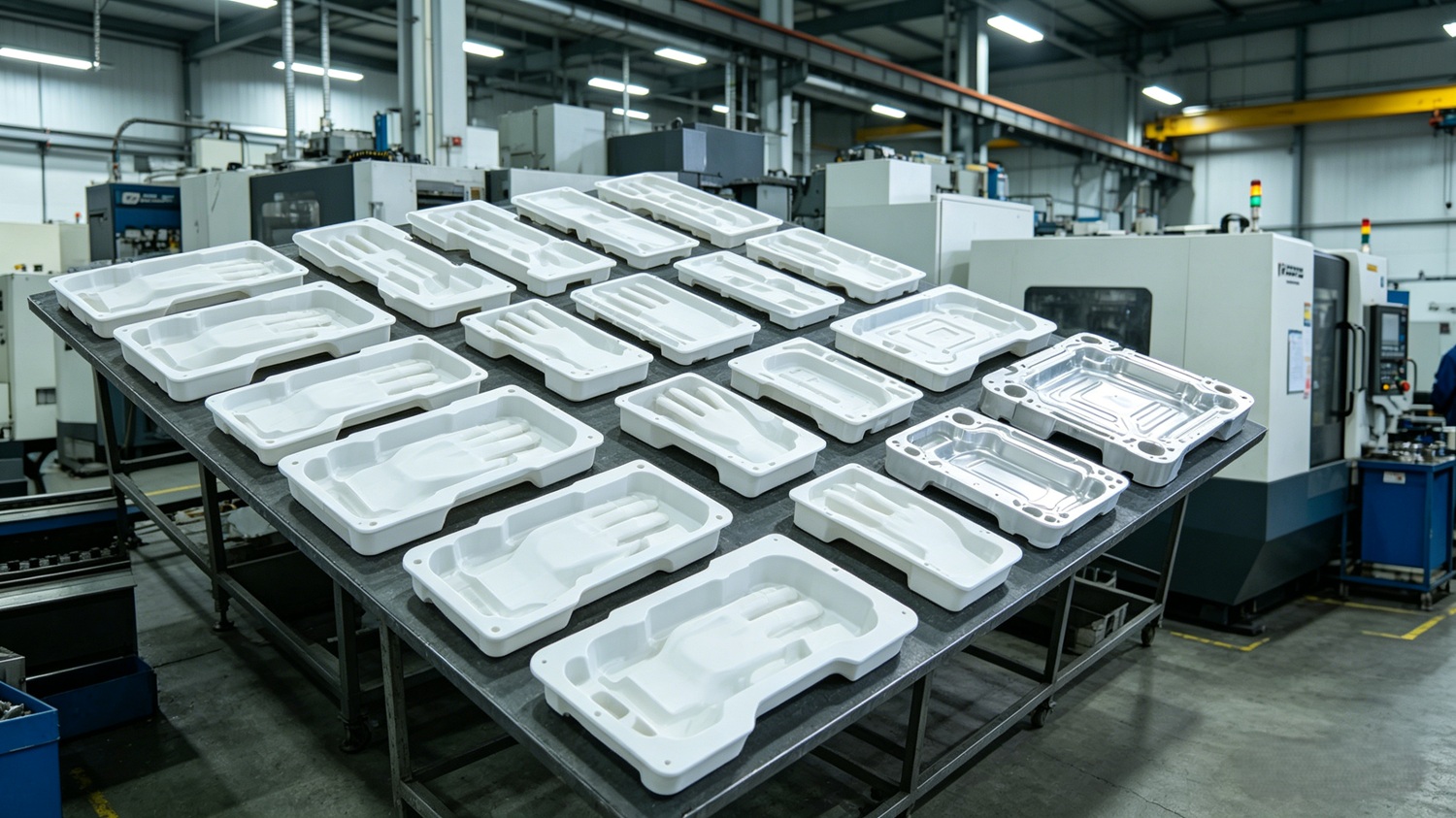
1. Mass Production Simulation Verification Stage
In the middle and late stages of R&D, when it is necessary to conduct comprehensive testing on the injection performance of pre-selected materials, part assembly accuracy, durability, structural strength and other core indicators, traditional prototypes have obvious limitations. Due to the large differences in material characteristics and process accuracy from mass production injection molding, they cannot provide accurate data support, which is likely to lead to design deviations after mold opening in the later stage and waste a lot of R&D costs.
Injection molded prototypes follow the same injection conditions as mass production, enabling them to accurately restore all performance indicators of mass-produced parts. This allows R&D teams to identify potential issues in material selection and structural design in advance, minimize design risks, and lay a solid foundation for smooth mass production — a core value that traditional prototypes simply cannot match.
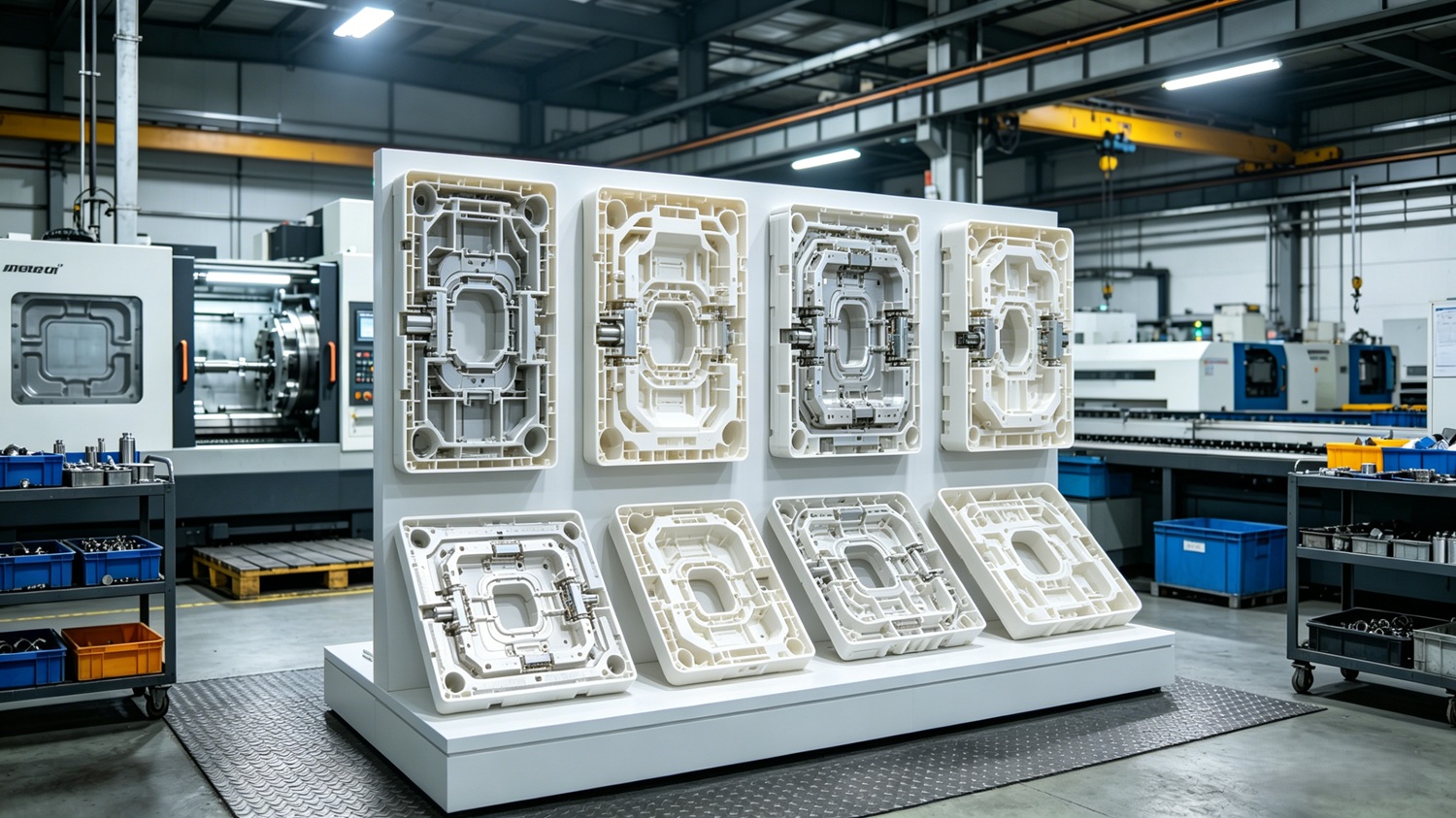
2. Small-Batch Trial Production and Trial Sales Demand
In the late stage of new product R&D, enterprises often need small-batch trial production for market test sales, customer verification or production line adaptation. However, the official production mold has the disadvantages of high cost and long cycle: the investment of hundreds of thousands of yuan and the waiting time of several months often make many enterprises flinch.
Injection molded prototypes use soft steel (unquenched and hardened steel) to make molds. Although the service life of the mold is much shorter than that of the production mold, this process has the advantages of being infinitely close to mass-produced injection parts in precision, short processing cycle and low mold cost. It can efficiently complete small-batch trial production, perfectly solve the pain points of high cost and high risk in new product development, and help enterprises seize market opportunities quickly.
For high-end manufacturing fields such as automotive, aerospace and precision equipment, injection molded prototypes are not only a "verification artifact" in the middle and late stages of R&D, but also a bridge connecting design and mass production.
Email: marketing@moldedprototypes.com
WhatsApp: +86-13602559551
Partner with HWTC — Your Trusted Custom Prototype Injection Molding Manufacturer